Share It On:
 Stop losing expensive leads to a poorly designed buyer's journey. Whether you are selling a $15 digital planner or $10,000 enterprise software, it is important to understand the exact funnel frameworks you need to capture high-intent leads.
According to Statista, the global advertising market was valued at 832 billion U.S. dollars in 2025, making it clear that most companies are fighting in a crowded space. However, running online advertisements without a clear psychological map results in wasted revenue and efforts. This is exactly where the marketing funnel becomes essential, as it provides a structured way to guide users from discovery to conversion.
If you’re running a business, it is important to have a system in place that converts these expensive leads, with a structured path to guide your audience toward a purchase. Recent data shows that a whopping 68% of firms fail to track or define their sales pipelines, which directly causes them to lose significant potential earnings.
Growth for B2B SaaS, e-commerce, or mobile apps starts with a deep knowledge of funnel marketing. This guide looks at the core mechanics of the funnel stages and helps you choose the best models for your specific business goals. Let’s dive in with the basics.
What is ToFu, MoFu, and BoFu in the Marketing Funnel?
Before breaking this down further, it helps to understand what are funnels in marketing and how they guide users through each stage.
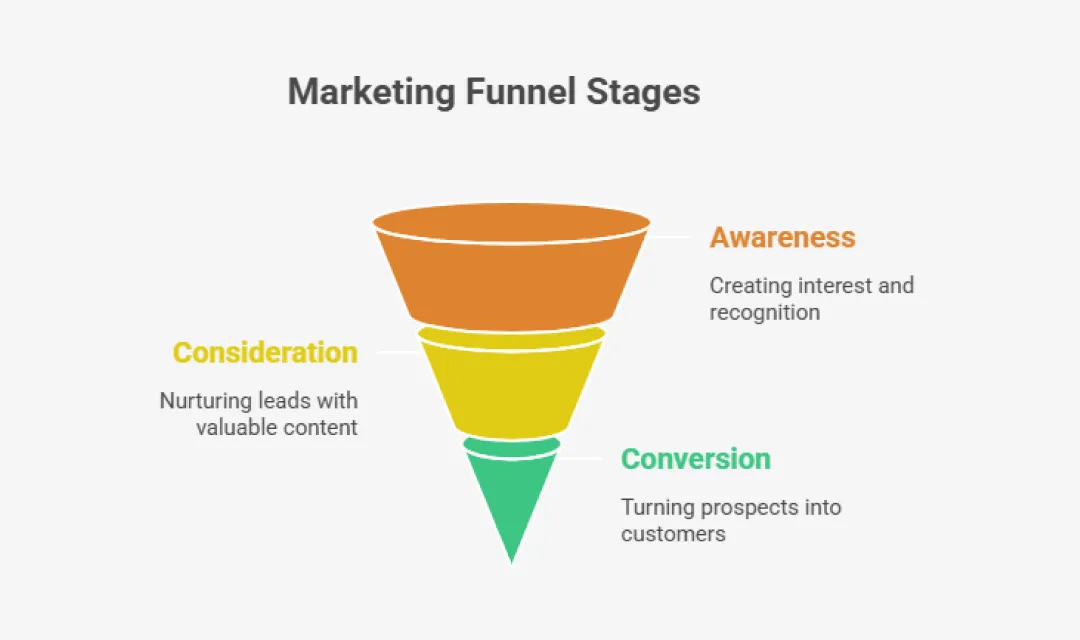
Funnels are a core part of the fundamentals of marketing that map the path a person takes from being completely unaware of your brand to becoming a customer. It has three stages: Top (ToFu), Middle (MoFu), and Bottom (BoFu), and each stage uses different content to guide people through the process.
These stages help you align your assets with the mindset of the buyer. Let’s check them out below.
Top of the Funnel (ToFu): Awareness
Users at this phase feel a specific pain point but do not yet understand how to fix it, so your job is to teach them and capture their attention. You should not try to sell products at this point. The goal should be to engage with them through high-quality content and advertising funnels.
Effectively utilizing content marketing at this stage includes SEO blogs for general search terms, viral videos on TikTok or Reels, full reports on industry trends, and visual infographics that share facts. These help your target audience recognize their problems and get familiar with you as a reliable resource to provide solutions.
Middle of the Funnel (MoFu): Consideration
After capturing attention, you must help people who now recognize their problem and are actively looking at different ways to solve that issue. You can now provide helpful information in exchange for their email addresses to create a direct list of leads for future outreach.
This means working with detailed e-books, useful templates like a content tracker, webinars with experts, and specific email series to build a relationship with new subscribers. You must track email signups and the cost per lead. This data reveals how well your landing pages convert interested prospects into qualified leads.
Bottom of the Funnel (BoFu): Decision Making
At this stage, the prospects are finally ready to buy your product or service. They still need one final reason to pick your brand instead of a rival in the current market. You must provide very specific product details and focus all your energy on getting the final sale while showing the unique value you offer.
These tools include personal product demos, 14-day software trials, and charts that compare your features to those of rivals. You can also offer special discount codes or one-on-one calls to close deals and turn a hesitant prospect into a happy paying customer today. Beyond this, you should look at the cost to get customers and the return on your ad spending, which is a crucial step in any effective marketing funnel.
8 Key Types of Marketing Funnels You Need to Know
Different types of sales funnels serve different purposes within a business model. The plan to sell a $15 digital planner is different from the method used to sign a $10,000 contract for enterprise software. You should review these eight sales funnel models to find the best fit for your specific commercial goals.
1. Lead Magnet / Squeeze Funnel
This classic approach remains the basic building block for almost all digital marketing companies’ strategies. The primary objective involves trading a valuable free digital asset for the email address of a visitor so you can start building a list of your own.
A visitor follows an organic link to reach a squeeze page which lacks a menu bar and focuses solely on providing one specific free offer to the user. The visitor reaches a thank-you page after submitting their contact info, while an automated message delivers the requested file and introduces the main product your company sells.
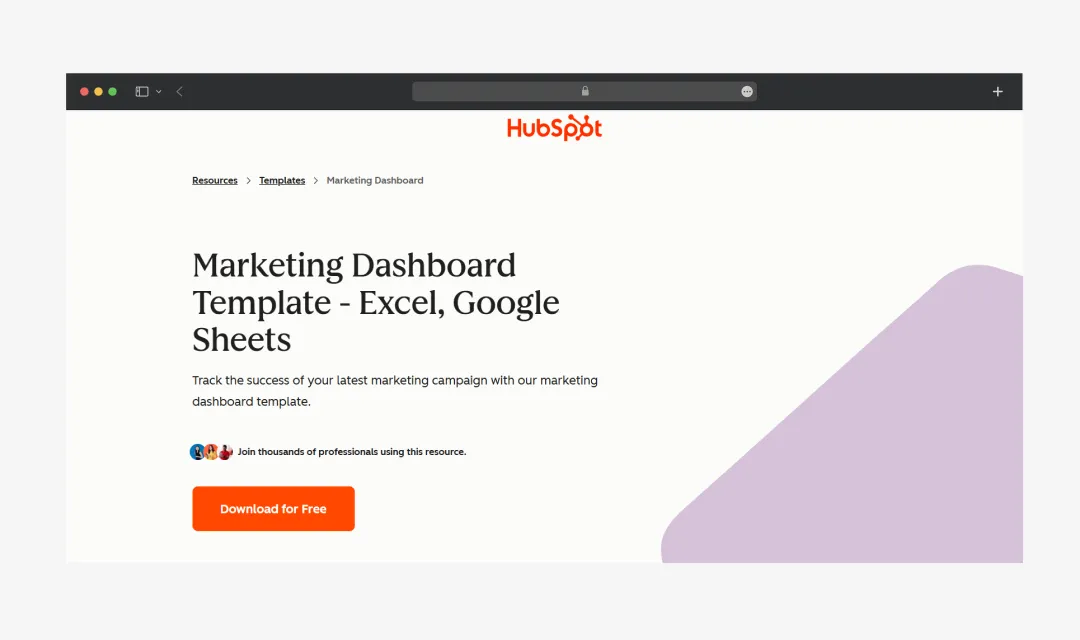
For instance, HubSpot uses squeeze funnels to grow its database of users. They offer free and practical items like "15 Free Social Media Templates" to their new visitors. HubSpot shares these items, which brings the user into their system where they receive marketing for the paid CRM software.
This method succeeds because it relies on the psychological rule that people feel a need to return favors. Providing free value at the start builds trust with new people.
2. Webinar Funnel
Companies selling expensive services or complex B2B software often use webinar funnels because they show expertise and answer audience questions immediately. These sales funnels work well for online courses and professional services.
For the webinar funnel, you have to ask people to sign up for a video training session that is either live or recorded. These presentations usually offer 40 to 50 minutes of training before the host spends 10 to 20 minutes selling a high-end product or service to the viewers. The system also uses reminder emails and follow-up messages for both those who watched and those who missed it.
These webinars keep the attention of the audience for long periods. ON24’s report shows that between 35% and 45% of people who register for a webinar actually attend the event. So the more sign-ups you can get by marketing the webinar, increase your sales opportunities.
3. Tripwire / Low-Cost Funnel
Tripwire funnels aim to convert a lead into a buyer quickly by offering a low-cost product or service that is hard to refuse. The concept of this funnel is that you do not need a large profit on the first sale because you want to change a lead into a paying customer.
For instance, you offer a product priced between $1 and $20. When a buyer enters their payment details, they see a one-time offer (OTO) for a more expensive and complementary product before they complete the checkout process.
We can see this funnel at Audible: it offers heavily discounted trials (sometimes $0.99 or free). Once users sign up, they are encouraged to purchase additional credits or audiobooks.

This is a classic marketing sales funnel approach used to convert cold leads into buyers quickly.
4. Product Launch Funnel
Pioneer Jeff Walker created the product launch funnel to help businesses build deep excitement and tension through a series of timed releases over several days. This marketing strategy replaces immediate sales pages with gradual reveals, making it one of the most impactful types of marketing funnels for high-demand launches.
You share a set of educational videos over one week, where the first video shows a new opportunity, the second covers personal change, and the third explains the experience of owning the item. The fourth video finally opens the store for a brief window.
This method is used by large brands like Apple for their keynote events. They build weeks of hype before showcasing the new features and upgrades in the upcoming launches.
The model uses the idea of scarcity to push people toward a final choice because the store only stays open for a short time, which creates a huge spike in revenue
5. Email / Nurture Funnel
A lot of your target audience is going to fall into the category that isn’t ready to make a purchase immediately. Nurture sequences use automated messages to build a relationship with them and get the potential buyers familiar with your brand over several weeks or months; a core part of funnel marketing.
After a person signs up for your list, they receive a series of messages that tell your brand story, provide value, and share success stories before you make a hard pitch.
While most brands use the nurture funnel through targeted campaigns, Monday.com is a well-known example that sends regular tips and team collaboration ideas after a new user creates their free trial account.
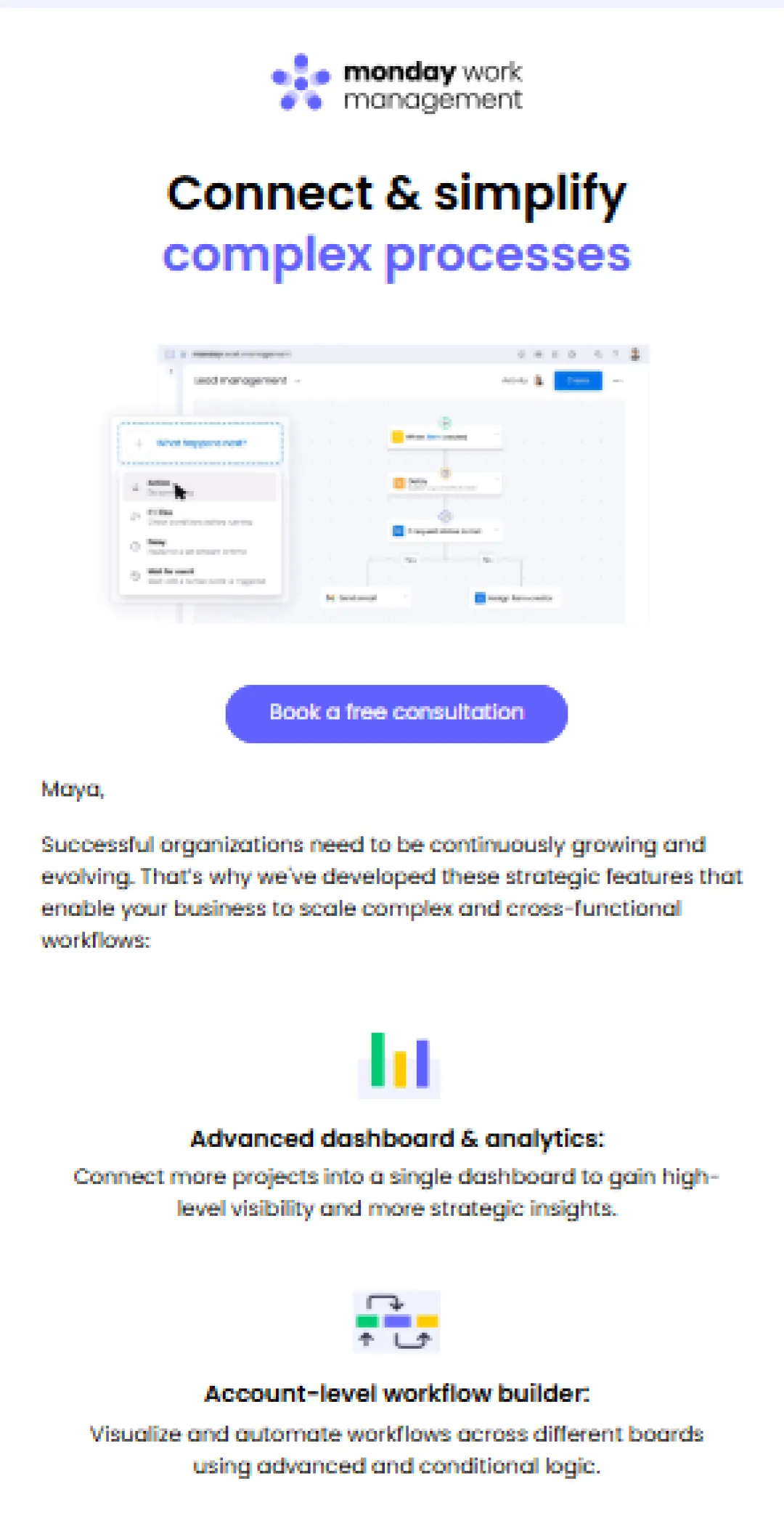
Lead nurturing is so popular because it gives results. According to Forrester Research, businesses that master lead nurturing generate 50% more sales-ready leads and spend 33% less money on those leads compared to firms that do not.
You Might Also Like: Key Essentials of Email Marketing in the Mobile Phone Age
6. Survey Funnel
Personalization is the key to modern conversions, and the survey funnel helps facilitate it. This type of funnel uses a questionnaire to sort potential customers and learn about the specific problems they need to solve. You offer a quiz or an assessment that puts users into different categories based on their answers so the system can show them a tailored sales page or email list.
For example, the hair brand Prose uses this specific model. Customers must finish a detailed consultation about their lifestyle and hair type before the brand allows them to buy a custom bottle.
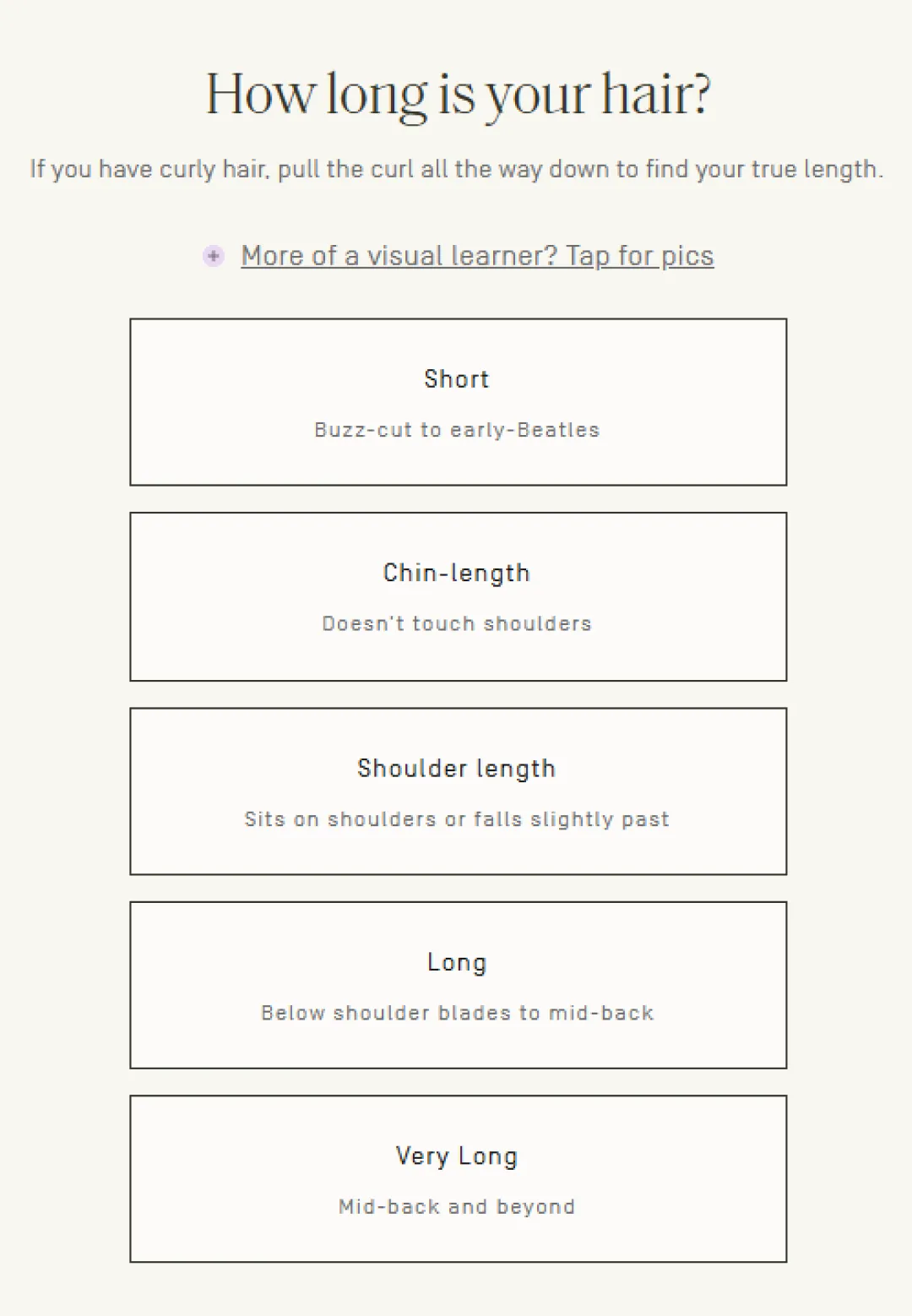
This is one of those types of marketing funnels that makes people feel heard. When a company suggests a product as a custom solution to the exact problems they just shared, conversion rates also begin significantly rising.
7. High-Ticket / Personal Sales Funnel
Standard checkout pages do not work well when you sell premium consulting or enterprise software that costs thousands of dollars. Buyers want human contact before making large financial commitments, which is why this approach differs from traditional sales funnel models.
The personal sales funnel uses top-tier content to prove your authority, while the main call to action asks the prospect to book a strategy session or a call with your sales team. Users often fill out an application before the call.
Most B2B SaaS companies rely on this funnel. It helps them remove the leads that are not a good fit while allowing a sales expert to answer complex questions and change the offer during the final stage of the journey.
Looking for an Expert to Build Your High-Ticket Funnel?
Connect with the top digital marketing companies in the USA to scale your enterprise sales. View the Top Rated Companies
8. Membership / Subscription Funnel
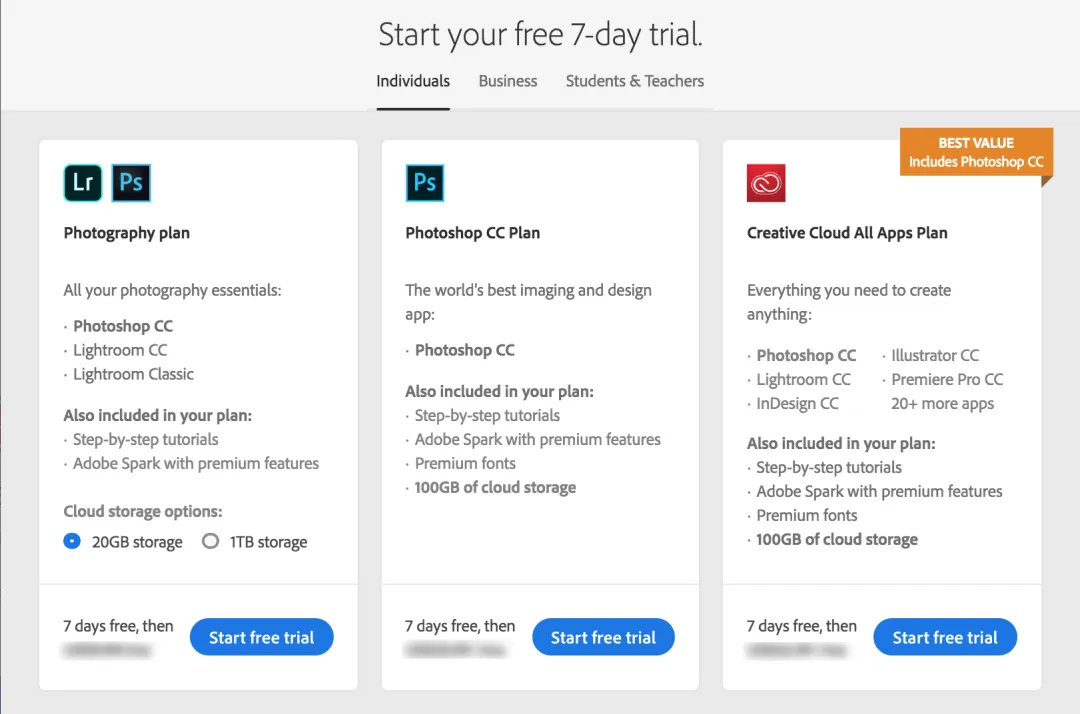
This model focuses on finding members for recurring services. You must prioritize long-term value to keep people from leaving the service after they sign up for a trial or discount. You offer a free trial or a low-cost first month to get people in the door before showing them the main value of the platform through an onboarding process, which is a key strategy across modern marketing funnels.
Software platforms use this approach to lower the barrier for new users by asking for small monthly payments instead of one large fee.
Therefore, the focus moves away from a single sale and toward increasing the total lifetime value of each customer, which helps a business build a very steady and predictable income.
Comparing the Different Funnels to Help You Choose the Best Strategy
To help you decide which of these marketing funnels aligns with your current business model, refer to the comparison table below.
| Funnel Type | Primary Objective | Best Suited For | Typical Core Offer Price | Implementation Complexity |
|---|---|---|---|---|
| Lead Magnet | Audience Building & Contact Lists | B2B, Service Providers, Creators | Varies (Nurtured later) | Low |
| Webinar | Trust Building & High-Volume Sales | SaaS, Consultants, Educators | High ($500 - $3,000+) | High |
| Tripwire | Liquidating Ad Spend & Fast Buyers | E-commerce, Digital Products | Low initial ($7), High Upsell | Medium |
| Product Launch | Massive Sales Spikes & Scarcity | Tech Brands, Course Creators | Medium to High | Very High |
| Email Nurture | Long-term Relationship Building | All Industries | Any | Medium |
| Survey | Hyper-Personalization & Segmentation | E-commerce, Health/Beauty | Medium | Medium |
| High-Ticket | Closing Premium/Enterprise Deals | Agencies, Premium Consulting | Very High ($3,000+) | High (Requires Sales Team) |
| Subscription | Predictable, Recurring Revenue | Apps, Software, Communities | Low to Medium (Monthly) | Medium to High |
How to Use This Comparison Strategically
Looking at the table above, it is vital to understand that you should not attempt to build all of these funnels simultaneously. Your choice depends entirely on your immediate business goal and your product's price point.
For instance, if you are a SaaS startup struggling with user acquisition, deploying a complex High-Ticket Funnel with a sales team is premature; you should start with a Lead Magnet or Email Nurture Funnel to build a predictable pipeline of interested prospects. This also helps ensure that they are well-versed on what are sales funnels.
Conversely, if you are an e-commerce brand with heavy daily traffic but low conversion rates, integrating a Survey Funnel to personalize product recommendations or a Tripwire Funnel to liquidate your ad spend will yield the fastest ROI.
The secret is to identify the primary bottleneck in your current customer journey and select the specific funnel designed to solve it.
Final Thoughts: Building a Scalable Funnel Marketing Strategy
Mastering the various types of marketing funnels is what separates businesses that rely on luck from those that engineer predictable, scalable revenue. Whether you are building brand awareness through a top-of-funnel content strategy or closing complex B2B deals through a high-ticket consultation, the underlying principle is the same: you must guide your customer smoothly from awareness to action.
Frequently Asked Questions
What is a marketing funnel in digital marketing?
It’s the path you create to stop people from wandering off your site. Instead of hoping a visitor finds the "buy" button on their own, a funnel is the specific sequence of pages and content that moves them from "Who is this brand?" to "I need this product." It’s about being helpful at the right time so you don't lose potential sales to a short attention span.
What are the different types of marketing funnels?
There isn’t one "perfect" funnel because what works for a $10 ebook won't work for a $5,000 consulting package. Common ones include:
- Lead Magnets: Trading a freebie for an email address.
- Webinars: Using a deep-dive video to sell high-end services.
- Tripwires: Offering a cheap "no-brainer" deal to turn a lead into a buyer instantly.
- Subscriptions: Low-cost entry points that lead to recurring monthly payments.
Each one serves a different business goal depending on what you're selling.
What are sales funnels and how do they work?
A sales funnel is your filter. It’s a step-by-step process that sorts through everyone who sees your brand and identifies the people actually ready to buy. By the time someone reaches the bottom of the funnel, they’ve already seen your value, had their questions answered, and are much more likely to pull out their credit card. It turns random traffic into a predictable system for making money.
How do marketing funnels improve conversions?
Most people aren't ready to buy the first time they see you. If you push for a sale immediately, they leave. Funnels improve conversions by matching the buyer's mood, giving them education when they’re curious and proof when they’re ready to commit. This builds trust, which makes the final purchase feel like a logical next step rather than a risky decision.
What are advertising funnels and why are they important?
Sending paid traffic to a generic homepage is usually a great way to waste money. Advertising funnels connect your ads to a specific landing page designed for a single action. This ensures your ad spend actually results in leads or sales. It allows you to track exactly which dollar spent on Facebook or Google results in a profit, making your marketing much more efficient.
Which types of funnels work best for SaaS businesses?
For software, you usually need "hands-on" proof. Free Trials are the gold standard because they let users solve a problem before they pay. Webinar funnels are also huge for SaaS because they allow you to demo complex features to a large group at once. Finally, Email Nurture funnels are essential to keep trial users engaged so they don't cancel before their first payment.

Uncover executable insights, extensive research, and expert opinions in one place.
Related Content